
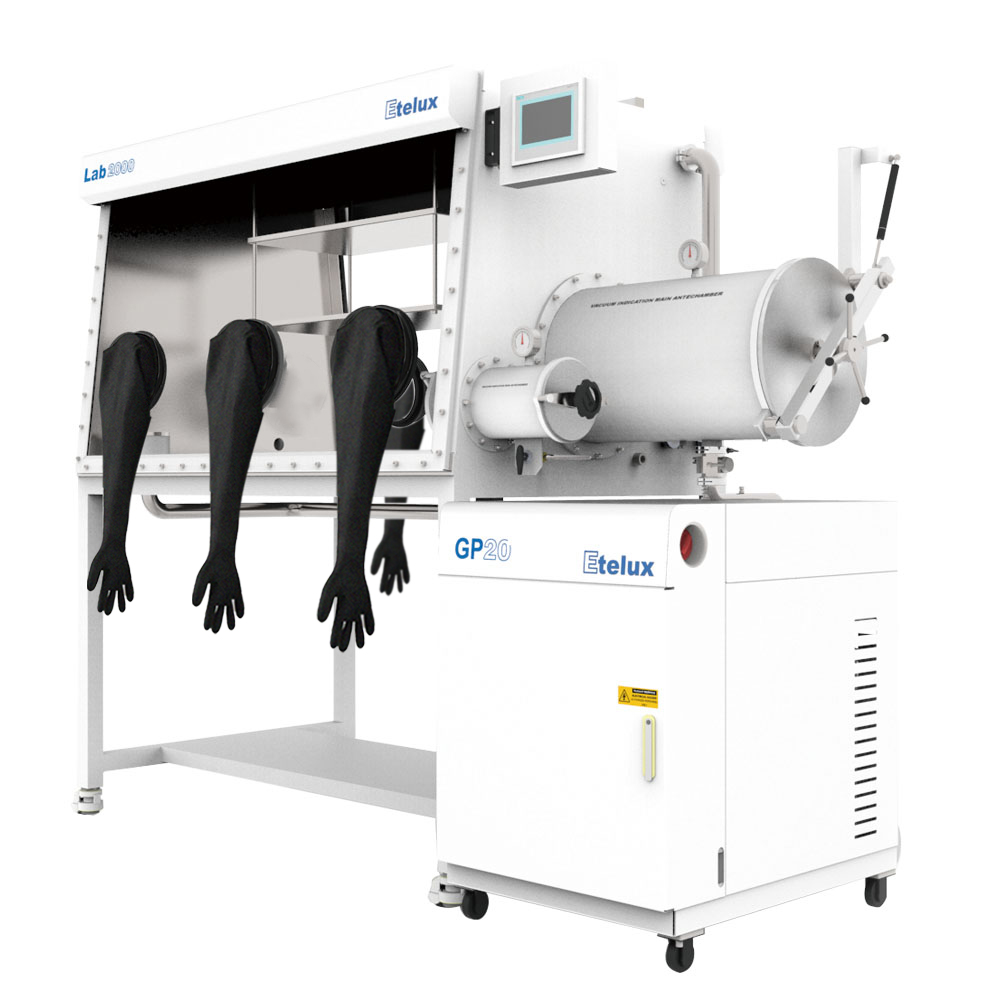
In fields such as materials science, organic synthesis, and lithium battery R&D, gloveboxes have become essential equipment for creating anhydrous and oxygen-free environments. However, while enjoying the convenience that gloveboxes provide, the treatment of waste gases generated during their operation and regeneration processes is often a critical yet easily overlooked aspect of laboratory safety management. Improper waste gas emission not only contaminates the laboratory environment and endangers operators’ health but may also trigger fires or even explosions. This article systematically outlines the sources of glovebox waste gas, safe emission methods, and waste disposal standards, helping you establish a comprehensive safety protection system.
I. Three Major Sources of Glovebox Waste Gas
Understanding where waste gas comes from is the first step in targeted safety treatment. Glovebox waste gas primarily originates from the following processes:
- Purification System Regeneration: This is the most concentrated and highest-risk stage of waste gas generation. When the purification columns containing copper catalyst and molecular sieves become saturated through adsorption, they must undergo a regeneration procedure using a hydrogen-nitrogen gas mixture with heating to restore their activity. The tail gas emitted during regeneration contains unreacted hydrogen, desorbed water vapor, and organic solvent vapors desorbed from activated carbon—the composition is complex and often flammable or toxic.
- Routine Operations and Chamber Purging: Organic solvents are inevitably used during experiments inside the glovebox. The vapors from these solvents enter the glovebox’s circulation system. Additionally, when the chamber atmosphere needs to be purged and replaced, the exhausted gas also contains high concentrations of inert gases such as nitrogen and argon, along with trace amounts of toxic or hazardous substances.
- Vacuum Pump Exhaust: During the evacuation of the antechamber, the vacuum pump discharges the gas inside the chamber, which may contain residual solvent vapors or reaction byproducts, directly to the outside. If this gas is not treated and is directly vented into the room, long-term inhalation can cause chronic health damage.
II. Core Principles and Standards for Safe Emission
The core principle of safe emission is “treat first, then discharge; never vent directly.” According to domestic and international general specifications, waste gas emission must meet the following basic principles:
- Must Be Connected to a Ventilation System: Regeneration exhaust piping and vacuum pump outlets must be securely connected to the laboratory ventilation system such as a fume hood or a dedicated waste gas treatment pipeline to ensure hazardous gases are exhausted outdoors.
- Comply with Emission Standards: Treated waste gas must meet national and local air pollutant emission standards. For organic waste gases containing nitrogen or sulfur, treatment via dry activated carbon adsorption is typically employed before emission.
- Anti-Backflow Design: When multiple gloveboxes share a common exhaust header, each glovebox should have an independent exhaust branch line and check valve to prevent flames or hot flue gases from propagating between boxes through the shared pipe.
- Exhaust Duct Material Requirements: Ventilation ducts should be constructed of non-combustible materials such as stainless steel. Even flexible connection segments must meet flame-retardant requirements.
III. Targeted Treatment Solutions for Different Waste Gases
Waste gases from different sources require different treatment priorities.
| Waste Gas Source | Main Components | Recommended Treatment Solution | Key Safety Points |
|---|---|---|---|
| Regeneration Exhaust | Hydrogen, water vapor, desorbed VOCs | Install a ventilation hood at the top connected to the ventilation system, or route through a dedicated activated carbon adsorber pipeline | Purification column is at high temperature during regeneration—do not touch; exhaust pipes must be heat-resistant; hydrogen concentration must be diluted below the lower explosive limit. |
| Chamber Purge Exhaust | High-concentration inert gases, trace toxic gases | Directly connect the purge valve exhaust port via piping to the outdoors | If the chamber atmosphere is toxic or hazardous, it must first be treated via purification or routed through an alkaline absorption bottle. |
| Vacuum Pump Exhaust | Solvent vapors, reaction byproducts | Must be connected to the laboratory ventilation system or the main exhaust gas pipeline | Regularly check the vacuum pump oil condition; replace immediately if oil shows signs of emulsification or contamination. |
Special Note: For gloveboxes handling highly toxic substances such as arsenides and cyanides, or radioactive materials, waste gas emission falls under special regulatory control and must employ multi-stage series treatment processes such as HEPA filtration and chemical adsorption, while also complying with specific nuclear or biosafety regulations.
IV. Spent Purification Column Materials: A Fire Hazard Not to Be Overlooked
When a glovebox purification column is replaced at the end of its service life, it produces mixed solid waste containing copper catalyst, molecular sieves, and activated carbon. This harbors a danger that is easily overlooked: copper(I) oxide in the copper catalyst can oxidize and release heat upon exposure to air, while activated carbon has adsorbed large amounts of low-flash-point organics. If the two are mixed and stored together, heat accumulation can easily trigger spontaneous combustion.
Golden Rules for Safe Disposal of Spent Column Materials:
- Prioritize Manufacturer Take-Back: When replacing the purification column, prioritize asking the manufacturer to directly take the spent materials away for disposal.
- Temporary Storage Principles: If temporary storage is necessary, the following must be observed: ① Copper catalyst and activated carbon must be strictly separated and never mixed; ② Store in fireproof buckets or containers made of non-combustible materials such as glass or enamel; ③ Keep away from heat sources, electrical sources, and flammable chemicals.
- Safe Deactivation Treatment: If the laboratory chooses to handle disposal independently, in a well-ventilated open area, spread the materials flat in a fireproof container to allow natural oxidation and deactivation, or slowly add water in small portions with stirring, ensuring the water completely submerges the materials. After no significant exothermic reaction is observed, collect as hazardous waste.
V. Recommended Safety Operation and Maintenance Practices
- Installation Acceptance: During glovebox installation, ensure the metal casing is properly grounded. Maintain at least 60 cm clearance from non-working faces to the wall, and reserve at least 80 cm of working space at the workface.
- Pre-Operation Checks: Confirm that the ventilation system is functioning properly, gas cylinder pressure is adequate, and vacuum pump oil level is normal.
- Personal Protective Equipment: Always wear protective clothing and safety goggles during operation. Do not keep long fingernails or wear sharp accessories.
- Routine Inspections: Regularly inspect all exhaust pipe connections for looseness or signs of leakage.
Related Reading
New Trends in the Inert Atmosphere Glove Box Industry in 2026: From Standalone Equipment to Intelligent System Solutions
What to Do When Glovebox Gloves Are Damaged? Professional Replacement Process and Seal Maintenance Guide