
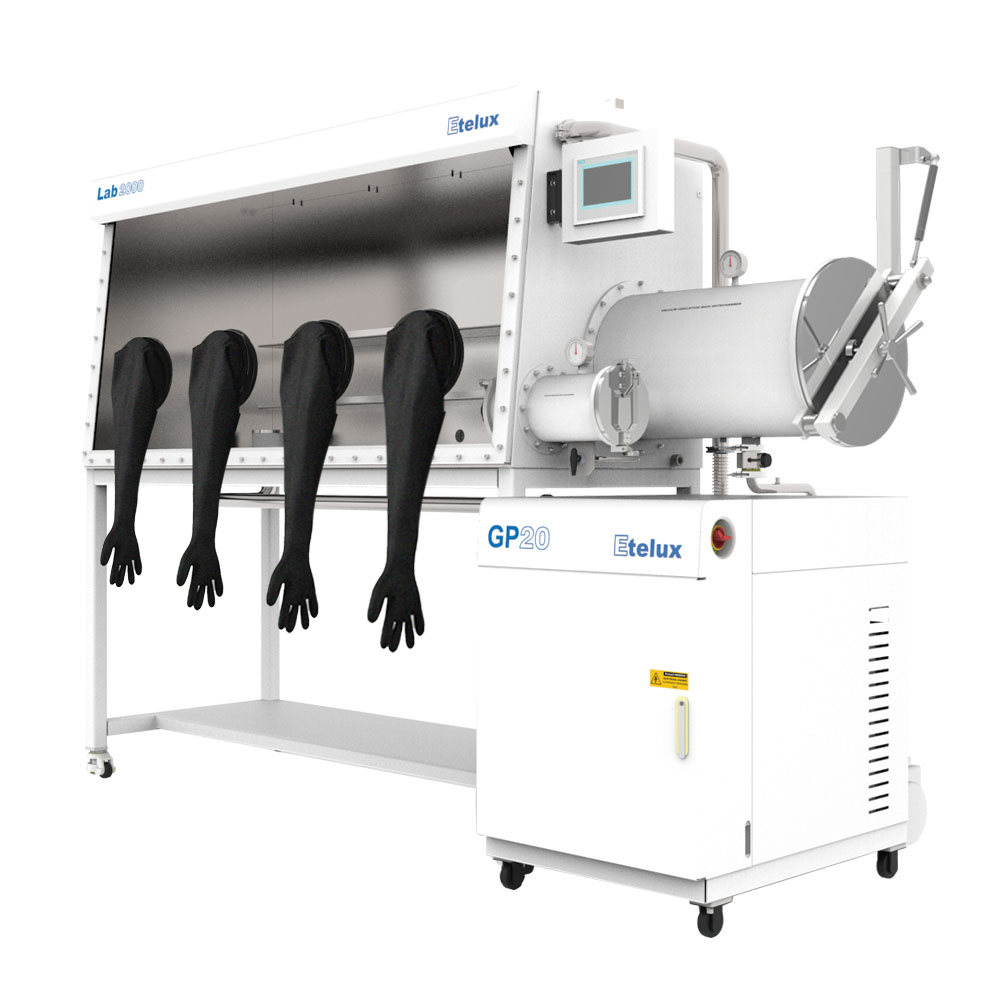
The glove box is a significant investment in any laboratory, and daily operation and maintenance already require considerable attention. However, when it comes to laboratory relocation, project suspension, or extended holidays requiring long-term shutdown and storage, many users are unsure of the proper procedures. Long-term shutdown and short-term downtime are handled very differently—short-term downtime such as a few days to one or two weeks can simply be managed by keeping the circulation system running. But for shutdowns lasting weeks or even months, a complete shutdown and storage protocol is essential. This article will outline the key precautions for long-term shutdown and storage of glove boxes.
I. First Decision: Do You Really Need a Complete Shutdown?
Before taking any action, assess your situation: how long will the shutdown be?
If it is just a holiday break such as Chinese New Year or National Day, lasting about one to two weeks, a complete shutdown is not recommended. The proper approach is to keep the circulation system running, adjust the upper and lower pressure limits appropriately to prevent abnormal box pressure caused by thermal expansion and contraction, and prepare full working gas cylinders to avoid running out of gas during the holiday. As long as the laboratory temperature does not fluctuate dramatically, the glove box can safely get through an extended holiday.
However, if the shutdown exceeds one month—for example, due to laboratory renovation, project suspension, or equipment relocation—then a full long-term shutdown and storage procedure should be followed.
II. Preparations Before Long-Term Shutdown
After deciding on a long-term shutdown, the first step is not to cut off power directly. Instead, complete the following preparations first:
1. Remove Items from the Chamber
Remove all items inside the glove box that are not suitable for long-term storage. Pay special attention to:
- Solvents in open containers: These must be sealed properly before removal to prevent solvent vapors from remaining inside the chamber and affecting subsequent equipment performance.
- Valuable active metal samples: If they cannot be taken away, it is recommended to seal them in vacuum packaging bags or glass containers and place them inside the transfer chamber. If these materials can withstand vacuum, the transfer chamber can be evacuated to a vacuum state for storage.
2. Clean the Chamber Interior
Thoroughly clean the interior of the glove box and transfer chamber to prevent residual samples from volatilizing or corroding the chamber. This step may seem simple, but it is critical—residual chemicals in a long-term sealed environment can cause irreversible damage to chamber materials and seals.
3. Inspect and Replace Vacuum Pump Oil
Check whether the vacuum pump oil is clean and whether the oil level is sufficient. If the oil quality has deteriorated, replace the pump oil before shutdown. If the oil level is low, top it up to the appropriate level. During long-term shutdown, contaminated pump oil may cause corrosion or clogging inside the vacuum pump.
4. Leak Check
Perform a pressure decay leak test on the glove box and the working gas piping. If any leaks are found, contact after-sales service engineers for repair in advance. Otherwise, the chamber may lose its inert atmosphere protection entirely due to continuous gas leakage during shutdown. Pay special attention to whether the transfer chamber lid is properly sealed and whether the gloves are damaged.
III. Formal Shutdown Procedure
After completing the preparations, follow these steps in sequence to shut down the system:
Step 1: Turn Off the Analyzer and Circulation System
Turn off the moisture and oxygen analyzer first, then turn off the circulation system. After stopping circulation, let the chamber sit for about 15 to 30 minutes to observe whether the pressure changes normally.
Step 2: Turn Off the Vacuum Pump
After confirming that circulation has stopped and chamber pressure is stable, turn off the vacuum pump. If the shutdown period is long, it is recommended to drain the vacuum pump oil to prevent oil degradation or sediment formation during extended idle time.
Step 3: Adjust Pressure and Close the Gas Supply
Before closing the working gas supply, ensure that the chamber pressure remains at a positive pressure, typically around 0 to 5 mbar, to prevent external air from being drawn into the chamber due to negative pressure. Then close the main valve of the working gas regulator.
Step 4: Close All Valves
Close all pathway valves of the glove box, including transfer chamber valves and gas inlet/outlet valves, ensuring the chamber is completely sealed.
Step 5: Protect the Gloves
Tuck the gloves from the operation ports into the chamber interior, and cover the glove ports with protective bags to prevent the gloves from being exposed to sharp objects that could cut or puncture them. Damaged gloves are one of the most common accidental losses during glove box shutdown.
Step 6: Cut Off Power
Turn off the main power switch of the equipment and unplug the power cord. Also disconnect the power supply to any other electrical devices connected to the glove box.
Step 7: Post Warning Labels
Place prominent warning labels such as “Not in Use” or “Safety Notice” on the glove box to alert others against accidental operation.
IV. Brand-Specific Operational Differences
It is important to note that different brands and different control systems may have variations in operational details. For example, older glove boxes with keypad control systems such as Siemens OP7 may have different operation paths compared to current mainstream touchscreen systems. It is recommended to consult the operation manual of your specific equipment before formal shutdown, or contact the manufacturer’s after-sales service for shutdown guidance tailored to your system.
V. Recommendations During Shutdown and Upon Reactivation
During long-term shutdown, it is advisable to periodically check the chamber pressure status to ensure that no accidental leakage has occurred. If the system is equipped with IoT monitoring capabilities, you can remotely monitor the glove box status through terminal devices to detect any anomalies in a timely manner.
When reactivating the equipment, do not start it up directly. It is recommended to first perform a comprehensive leak check and pressure hold test to confirm good sealing performance, then gradually start the circulation system, analyzers, and other functions. The glove box can only be used normally after the moisture and oxygen levels have reached the required standards.
In conclusion, long-term shutdown of a glove box is not as simple as “just unplugging it.” From item removal and cleaning, to step-by-step shutdown procedures, to protective measures during the shutdown period, every step is essential. Proper shutdown and storage not only protect the equipment from unnecessary wear and tear but also ensure that the glove box can quickly return to optimal working condition when you need it again.
If you have any questions about long-term shutdown or daily maintenance of glove boxes, please feel free to contact us. Etelux has been dedicated to the glove box industry for many years and has accumulated extensive equipment maintenance experience. We look forward to providing you with professional support.
Related Reading:
What to Do When Glovebox Gloves Are Damaged? Professional Replacement Process and Seal Maintenance Guide
Glovebox Daily Maintenance Guide: From Daily Routines to Long Holidays, One Article Is Enough