
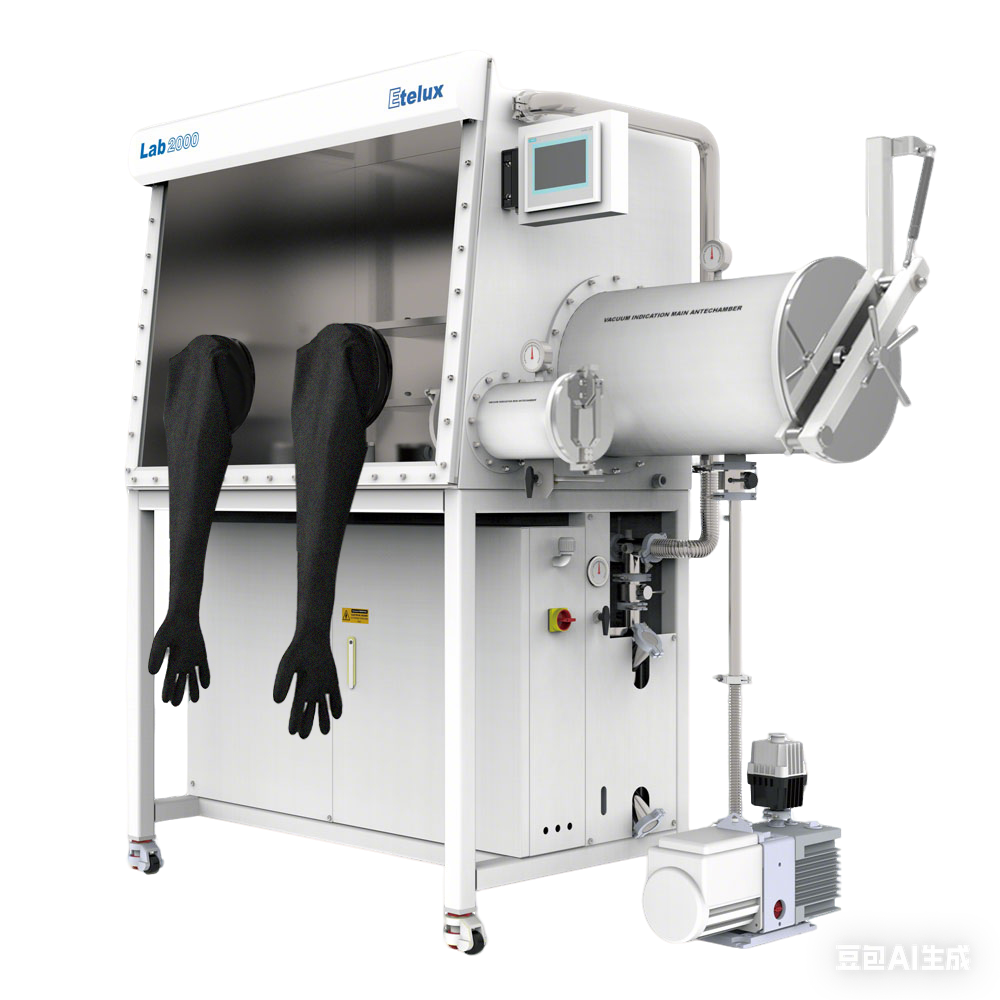
The glove box is the “gatekeeper” of your laboratory, protecting sensitive experiments from water and oxygen contamination. But it’s not a set-it-and-forget-it device. Prolonged use, improper operation, or neglected maintenance can lead to degraded performance and even compromise experimental safety. If you observe any of the following 5 signs, your glove box is sending out an SOS—it’s time for maintenance.
1. Continuously High Water and Oxygen Levels That Won’t Drop
This is the most obvious red flag. If your glove box, under normal circulation conditions, consistently shows high water and oxygen readings, or if the values drop very slowly after purging, something is wrong.
Possible Causes:
- Saturated or exhausted purification columns: The molecular sieves or palladium catalysts have reached their adsorption capacity and need regeneration or replacement.
- Evaporation of large amounts of organic solvents: Open solvent bottles inside the box release vapors that poison the purification materials, rendering them ineffective.
- Compromised sealing: Continuous infiltration of outside air overwhelms the purification system.
Recommendation: Immediately check for and seal any open solvent bottles inside the box. Verify whether the purification column regeneration cycle is due. If the issue persists, perform a pressure decay leak test to identify the leak point.
2. Frequent Abnormal Pressure Fluctuations with Constant Purging or Vacuuming
Under normal operation, the glove box pressure should remain within a set range. If you notice the system frequently auto-purges or vacuumes, or even loses pressure control, there’s an abnormality.
Possible Causes:
- Seal failure: Damaged gloves, improperly closed antechamber doors, or aged and deformed O-rings cause gas leakage, forcing the system to constantly replenish gas to maintain positive pressure.
- Solenoid valve malfunction: Solenoid valves for gas supply or exhaust are stuck due to debris, preventing proper closure and causing continuous pressure rise or drop.
- Foot pedal stuck: A depressed foot pedal causes the system to misread input and continuously supply or exhaust gas.
Recommendation: Inspect glove integrity, ensure antechamber doors are fully closed, and check that foot pedals are in their resting position. If these are ruled out, inspect the solenoid valves for blockage and clean or replace them as needed.
3. Visible Signs of Glove Aging or Damage
Gloves are the most direct interface between the operator and the box environment, and they are also the most easily worn component. Damaged gloves are not just a safety hazard; they are a major source of seal failure.
Warning Signs to Watch For:
- Cracks, pinholes, stickiness, or discoloration on the glove surface.
- Hardened rubber, loss of elasticity, especially worn fingertips.
- Loose or compromised seals at the connection points.
Recommendation: Inspect glove integrity before every use. If you spot any damage or aging signs, replace the gloves immediately. Never use damaged gloves for experiments, and do not attempt to patch them. When replacing, ensure the box maintains positive pressure to prevent air backflow.
4. Abnormal Operation of the Vacuum Pump or Circulation Blower
The vacuum pump and circulation blower are the heart and lungs of the glove box. Their performance directly affects atmosphere purification and antechamber vacuum efficiency.
Abnormal Signs:
- Vacuum pump: Emulsified or cloudy pump oil, low oil level, significantly reduced pumping speed, or excessively high surface temperature.
- Circulation blower: Unusual noise during operation, frequent tripping, or failure to start.
- Exhaust lines: Blocked exhaust, clogged filters, or pungent odors.
Recommendation: Check vacuum pump oil level weekly and replace the oil every six months. If the blower makes abnormal noises, contact a service technician for lubrication. Ensure the vacuum pump exhaust is unobstructed and that toxic exhaust gases are not vented directly into the room.
5. Poor Sealing or Stiff Operation of the Antechamber
The antechamber is the passage for samples in and out. If it leaks, every transfer lets air invade the box, causing water and oxygen levels to spike.
Common Issues:
- Antechamber doors are difficult to close or the locking mechanism fails.
- Pressure cannot be maintained after vacuuming; it rises too quickly.
- Gas inlet and outlet ports are blocked by foreign materials such as plastic film or debris.
Recommendation: Clean the antechamber after each use and inspect the O-rings for wear, cracks, or scratches. Apply a small amount of specialized grease to the O-rings for maintenance. If the O-rings are aged or deformed, replace them promptly.
Summary: Prevention Is Better Than Repair
Glove box maintenance should not wait until problems become critical. We recommend establishing a daily maintenance log to record key data such as water and oxygen levels, regeneration cycles, pump oil status, and more. Perform regular pressure decay leak tests, sensor calibrations, and seal integrity checks to keep your glove box in optimal condition and safeguard your critical experiments.
If your glove box is showing one or more of the above signs, take action promptly, either investigate yourself or contact your service engineer for assistance.
Related Reading:
Common Glove Box Faults: Causes and Quick Solutions
Precautions for Long-Term Shutdown and Storage of Glove Boxes