
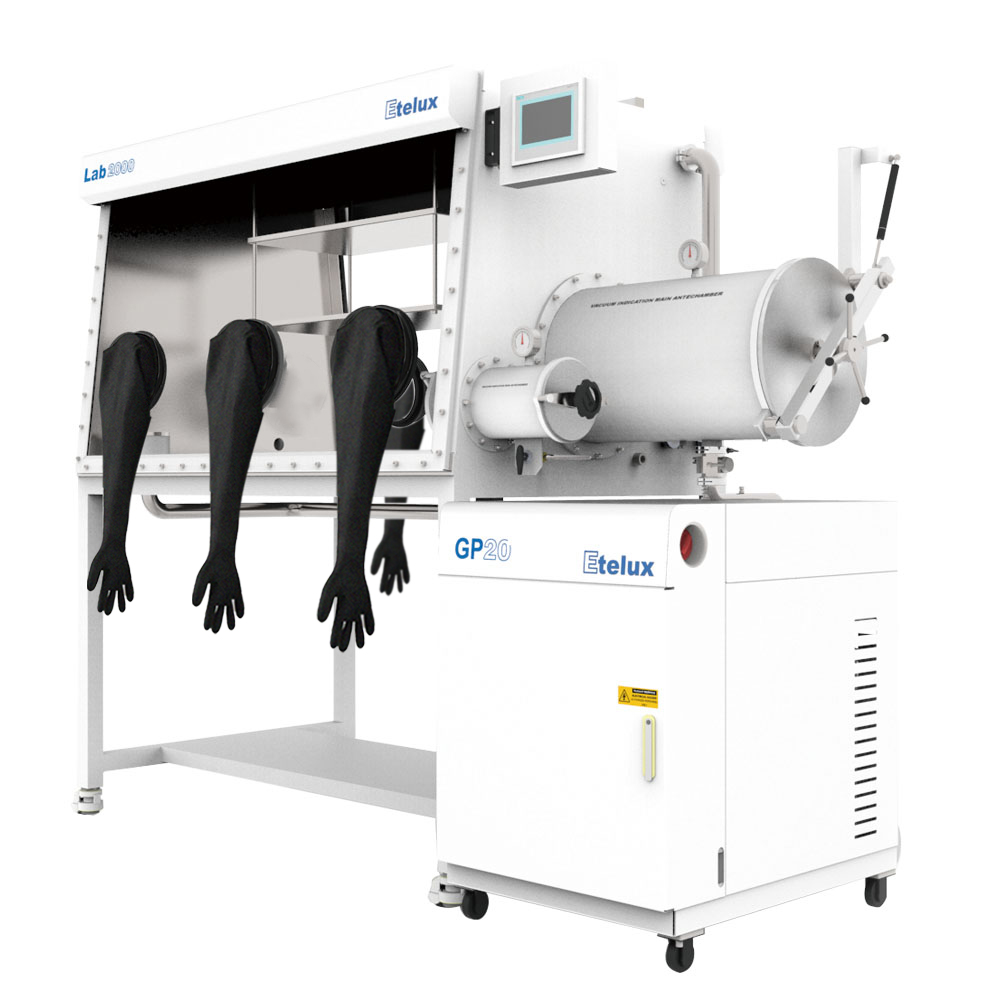
Gloveboxes are critical equipment in laboratories, semiconductor manufacturing, pharmaceuticals, and new energy industries, with steady demand in international trade. However, as precision instruments subject to special customs supervision, packaging and customs clearance often become major hurdles for exporters. This article provides a practical, systematic overview of packaging requirements and customs clearance essentials for international glovebox transport.
1. Packaging: Protecting Equipment and Mitigating Risks
Gloveboxes contain sensitive internal components such as circulation blowers, purification columns, and vacuum pumps—all susceptible to vibration, tilting, and humidity. International transport typically involves sea freight, air freight, and multiple overland legs. The packaging solution must balance protection with regulatory compliance.
1.1 Packaging Materials & Methods
Common packaging options, depending on equipment size and customer requirements, include:
- Wooden Crate Packaging: Suitable for large gloveboxes. Requires fumigation-treated wood with IPPC marks affixed to meet international phytosanitary standards.
- Carton/Honeycomb Cardboard Boxes: Suitable for small or portable gloveboxes. Interior must be filled with ample cushioning materials such as EPE foam or bubble wrap.
- Aluminum Flight Cases: For high-value equipment or frequent transport, custom aluminum cases provide superior protection.
1.2 Key Protective Measures
- Shockproof Securing: Equipment must be fixed to the crate using wooden braces or heavy-duty straps to prevent movement during transit.
- Desiccant Treatment: Place sufficient desiccant inside the packaging to protect electronic components from moisture damage in high-humidity sea freight environments.
- Labeling: Outer packaging must clearly display internationally recognized shipping marks such as “Fragile,” “This Way Up,” and “Keep Dry,” along with net weight, gross weight, dimensions, and handling instructions.
2. Customs Clearance: Mastering HS Codes and Regulatory Requirements
Gloveboxes are classified as machinery and mechanical appliances in international trade. Correct classification under the Harmonized System (HS Code) is the first step in customs clearance, directly affecting duty rates and regulatory requirements.
2.1 HS Code Classification and Key Distinctions
Under Chinese customs classification, gloveboxes fall primarily under two codes. The core distinction is the “maximum length of the hood’s plane”:
| HS Code | Commodity Description | Key Parameter | MFN Import Duty Rate | Regulatory Condition |
|---|---|---|---|---|
| 8414609012 | Movable (flexible) isolation enclosures; gloveboxes (with standards comparable to Class III biosafety cabinets) | Hood max. side length ≤ 120cm | 8%–10% | Dual-Use Export License (3) |
| 8414809052 | Other movable (flexible) isolation enclosures and other gloveboxes | Hood max. side length > 120cm | 7% | Dual-Use Export License (3) |
⚠️ Important Note: Biosafety cabinets or laminar flow hoods similar to gloveboxes must be carefully verified by specific function and use to avoid misclassification that could lead to false declarations.
2.2 Key Regulatory Condition: “Dual-Use Items and Technology Export License”
Regardless of size, gloveboxes (especially those meeting Class III biosafety standards) are subject to customs regulatory condition “3” , meaning they fall under dual-use item and technology export controls.
- Action Required: An export license for dual-use items must be applied for from the Ministry of Commerce prior to export. This process involves review of end-user and end-use documentation, requiring advance preparation of commitment letters or end-user certificates.
- Risk Warning: Exporting without the required license may result in cargo detention, fines, or even criminal liability.
2.3 Required Customs Clearance Documentation
When filing export declarations, the following documents require special attention beyond standard paperwork:
- Commercial Invoice & Packing List: Must strictly align with HS Code declaration elements—include brand, model, intended use, and equipment side length dimensions.
- Export Customs Declaration: Should be handled through a licensed customs broker with expertise in mechanical/electrical product declarations.
- Certificate of Origin: If the destination country has a free trade agreement with China (e.g., RCEP), a preferential CO can significantly reduce import duty costs.
- Product Quality Documents: Such as quality assurance letters or certificates of analysis—some countries or customers may require these.
3. Practical Operational Recommendations
- Plan Packaging in Advance: Tailor the packaging solution based on the mode of transport (air/sea) and destination country requirements. Wooden crates must have fumigation certificates and IPPC marks affixed.
- Classify Accurately: Work with a customs broker or professional classifier to confirm the correct HS Code. Verify key parameters such as equipment side length to avoid duty rate misapplication or inspection risks due to incorrect “hood plane maximum side length” reporting.
- Apply for Licenses Early: The dual-use export license review timeline is uncertain. Initiate the application process 1–2 months in advance to ensure all documents are ready when cargo arrives at the port.
- Clarify Responsibility Allocation: Clearly define in the sales contract which party bears which customs clearance responsibilities (e.g., who pays import duties, whether the seller assists with end-user certificates). This prevents costly demurrage charges caused by clearance delays.
Conclusion
International glovebox transport is a systematic undertaking. Packaging provides the “hard protection,” while customs clearance ensures “soft compliance.” Only by integrating the two can equipment reach global customers safely and efficiently. We hope this article serves as a valuable reference for your glovebox export operations. For specific requirements or unique cases, feel free to leave a comment for discussion!