
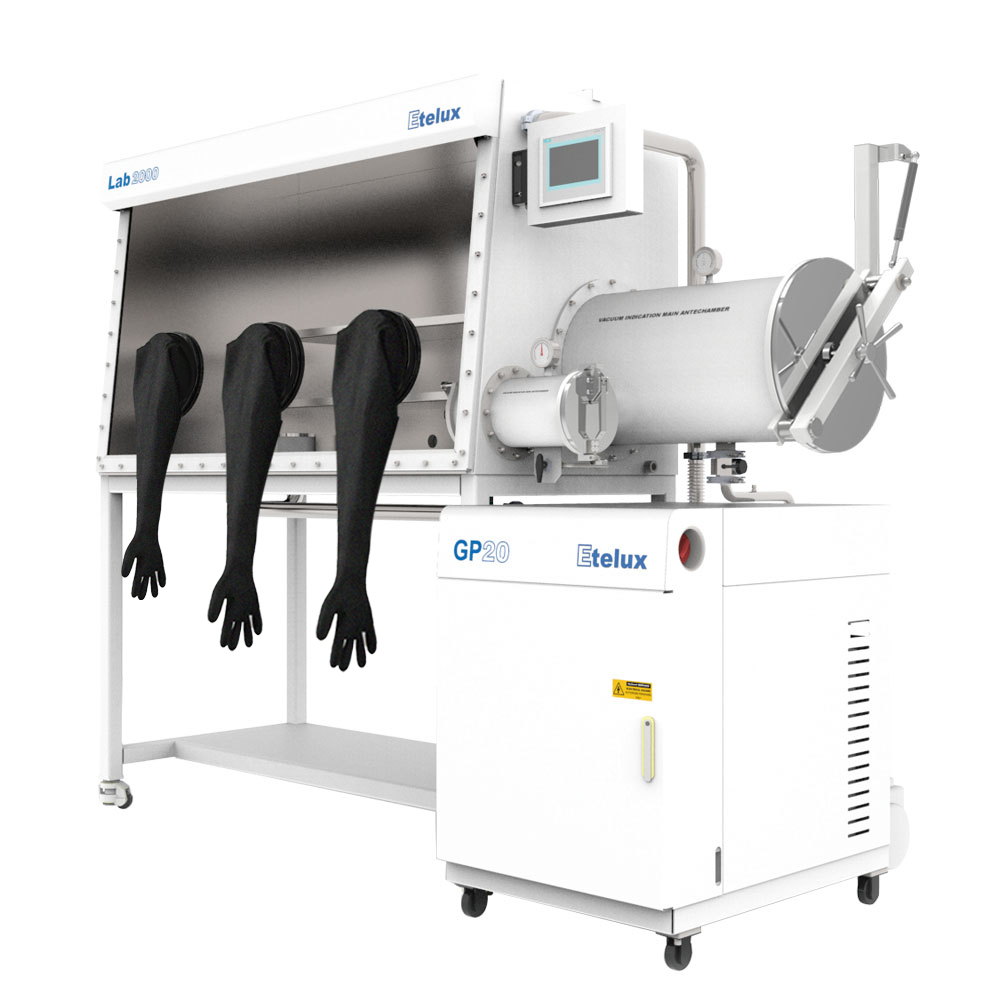
In today’s cutting-edge research in chemistry, materials science, and lithium batteries, the glovebox has become a standard piece of equipment for conducting precision experiments. It creates an inert environment isolated from water and oxygen, enabling many experiments that would otherwise be impossible. However, this seemingly calm sealed space, if poorly managed, can become a hidden “powder keg.” In recent years, multiple glovebox fires and even explosions have sounded the alarm for us. This article will delve into the fire risks associated with gloveboxes and provide a systematic set of prevention and response measures.
I. Shocking Truth: Where Exactly Do Glovebox Fire Risks Lie?
Many people mistakenly believe that since gloveboxes are filled with inert gases such as nitrogen or argon, they are perfectly safe. However, the risks are precisely hidden in equipment maintenance, operational details, and overlooked waste materials.
1. Spontaneous Combustion Risk of Spent Purification Columns – The Highest-Risk Hazard
This is the most easily overlooked “time bomb” in laboratories today. The purification system of a glovebox typically contains copper catalyst and molecular sieves or activated carbon. The cuprous oxide in the copper catalyst undergoes oxidation upon contact with air, releasing a significant amount of heat. Meanwhile, activated carbon and molecular sieves, after long-term use, adsorb low-flash-point volatile organic compounds. When these two materials are mixed together in their spent state and exposed to air, the oxidative heat release can easily ignite the organic volatiles, triggering a fire.
Real Case: In 2020, a laboratory waste storage room at South China University of Technology received a fire alert in the early morning. Investigation revealed that the culprit was a replaced glovebox purification column. The oxidation of the copper catalyst generated heat, igniting the organic solvents adsorbed by the molecular sieves. Fortunately, timely response prevented a major disaster.
2. Uncontrolled Reactions of Active Metals
Gloveboxes are commonly used to handle active alkali metals such as lithium, sodium, and potassium, or strong reducing agents. These materials are stable under inert atmospheres, but improper handling – such as directly discarding waste lithium metal into water for cleaning or casually exposing it to humid air – can trigger violent reactions or even explosions.
Real Case: An accident occurred at Tunghai University in Taiwan when a student, while disposing of waste lithium metal pieces from a glovebox, caused a lithium-water fire and explosion due to high humidity on a rainy day. Even earlier, in 2001, a graduate student at Tsinghua University placed 5 grams of lithium metal that had been stored in a glovebox for some time into a sink for cleaning, triggering an explosion that injured two people.
3. Solvent Spills and Electrical Hazards
The internal space of a glovebox is relatively enclosed. If solvents are spilled during experiments and not cleaned up promptly, the volatilized organic vapors, though small in quantity, can cause flash fires if they leak into external electrical systems or if regeneration exhaust is improperly handled, encountering electrical sparks or high-temperature sources.
II. Prevention Before Ignition: Systematic Preventive Measures
To address the above risks, a fireproof barrier must be established from three dimensions: source control, operational practices, and maintenance.
1. Spent Purification Columns and Hazardous Waste Disposal – A Critical Step
- Strictly Prohibit Mixed Storage: Replaced spent purification column materials, including copper catalyst and activated carbon or molecular sieves, must never be mixed and stored in flammable containers such as cardboard boxes or plastic bins.
- Mandatory Deactivation Treatment: They cannot be discarded directly as ordinary solid waste. They should be placed in fireproof buckets or containers made of non-combustible materials like glass or enamel, and stored in a well-ventilated open area to allow natural oxidative deactivation. Alternatively, they can be slowly and repeatedly stirred with water until the reaction is complete, and only after confirming no significant heat generation should they be collected as hazardous waste.
- Manufacturer Take-Back: When conditions permit, priority should be given to contacting the manufacturer to take the spent material away directly at the time of replacement.
2. Active Metal and Chemical Management
- Entry Guidelines: Any items brought into the glovebox, especially bottles and containers, must be opened during transfer to prevent rupture due to pressure differentials. Materials containing moisture are strictly prohibited from entering the box and must be dried beforehand.
- Waste Treatment: Waste residues of lithium, sodium, and other metals must never be directly exposed to water or humid air. They should be slowly quenched inside the glovebox using reagents such as isopropanol, then sealed and removed. Never emulate the “sink cleaning method.”
- Cleaning and Maintenance: In case of solvent spills, they should be immediately wiped clean with lint-free cloths to prevent solvent volatilization and subsequent adsorption and concentration by the purification columns.
3. Standardized Operation and Environmental Control
- Personal Protective Equipment and Glove Inspection: Remove sharp objects such as rings and watches before operation to prevent puncturing the gloves. If gloves are damaged, they must be replaced immediately and cannot be repaired.
- Electrical Safety: Ensure that the glovebox metal housing is properly grounded, and keep it away from ignition sources and high-temperature sources. No flammable materials should be stacked around the equipment.
III. Staying Calm in Crisis: Fire Emergency Response Strategies
Even with thorough prevention measures in place, laboratories must establish emergency response plans. If a fire occurs in or near the glovebox, follow these principles:
1. Emergency Shutdown
Cut off power and gas supply immediately. Turn off the main power switch, and close the gas cylinder valves or pipeline stop valves to prevent the fire from spreading due to electrical short circuits or gas leaks.
2. Proper Selection of Fire Extinguishers
- First Choice – Carbon Dioxide Fire Extinguisher: Leaves no residue after extinguishing, causing minimal damage to precision equipment. However, be cautious of cold burns.
- Second Choice – Dry Powder Fire Extinguisher: Effective in extinguishing fires, but the residue may contaminate the internal environment of the equipment, making subsequent cleanup more troublesome.
- Water or Foam Fire Extinguishers are Strictly Prohibited – these not only damage precision equipment but may also ignite active metals inside the box, intensifying the reaction.
3. Evacuation and Isolation
If the fire cannot be brought under control in a short time, immediately evacuate personnel according to the plan and isolate surrounding flammable and explosive materials. If special substances such as nuclear fuel are involved, extra attention must be paid to radioactive contamination prevention; reference should be made to the glovebox fire incident at Japan’s Nuclear Fuel Research Institute, which highlights the need to guard against radioactive material leakage risks.
Conclusion
The safety management of gloveboxes tests a laboratory’s attention to detail. Many fires do not originate from major equipment failures, but rather from a drop of organic solvent left in a purification column, a batch of spent copper catalyst mixed in with other waste, or a reckless disposal of metal waste. Only by strictly following operating procedures, scientifically managing hazardous waste, and equipping with appropriate firefighting apparatus can the glovebox truly become a reliable assistant in scientific research rather than a hidden safety hazard nearby.
Related Reading
Safe Emission of Glovebox Waste Gas: The Last Line of Defense for Laboratory Safety
Precautions for Long-Term Shutdown and Storage of Glove Boxes