
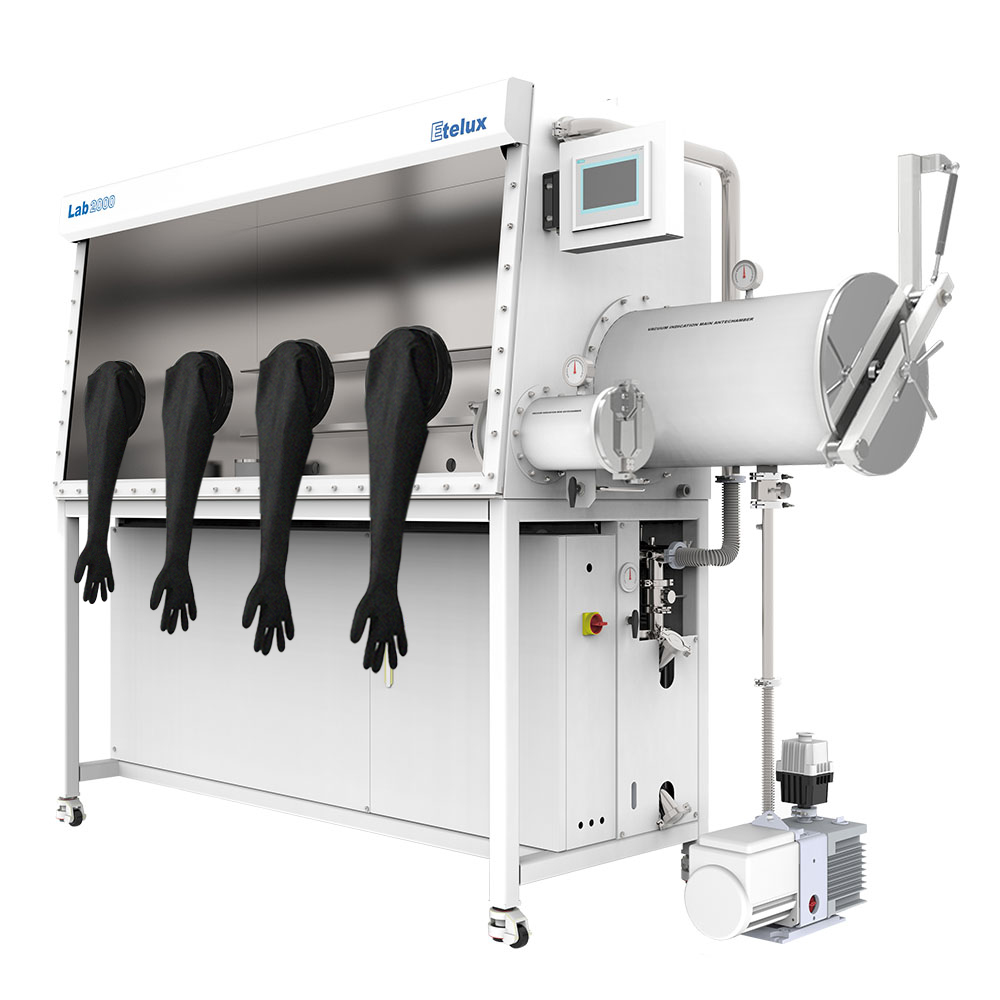
Introduction
If you are sourcing an inert‑atmosphere glove box for lithium‑ion battery research, chemical synthesis, semiconductor testing or pharmaceutical labs, you may notice huge price gaps between different quotations. Two glove boxes with similar outer dimensions can differ drastically in final cost.
Glove‑box pricing is not decided by a single parameter. It combines material cost, atmosphere‑control performance, core‑component configuration, customized requirements, delivery terms and after‑sales support. This article explains every major factor that shapes a formal glove‑box quotation, helping you compare offers rationally and avoid hidden costs.
1. Chamber Material & Build Quality
The main chamber material is one of the most fundamental price drivers, directly impacting air‑tightness, solvent resistance and service life.
- Acrylic PMMA Low‑cost, fully transparent, lightweight. Suitable for simple isolation experiments without strict low‑water‑oxygen requirements. Poor solvent resistance, higher gas permeation rate, not recommended for long‑term lithium‑material operation.
- 304 Stainless Steel Industry standard for research‑grade glove boxes. Good mechanical strength, excellent air‑tightness, resistant to most organic solvents. Widely adopted in battery labs and material‑science research. Plate thickness and welding craftsmanship also affect the final price.
- 316L Stainless Steel / Special Anti‑corrosion Material For labs working with strong acid, alkali and corrosive vapors. Higher material and machining costs, used for advanced chemical‑synthesis scenarios.
Sealing performance is closely tied to material selection. Professional suppliers will quote based on a certified leak‑rate standard, which is a critical point easily ignored by buyers.
2. Water & Oxygen Control Accuracy
Atmosphere‑maintaining capability is the core functional indicator and the biggest cost divider.
- Basic gas‑displacement type: Only simple nitrogen‑purging, cannot continuously circulate and purify. Water and oxygen content usually stay at hundreds to thousands of ppm, low budget option for non‑sensitive samples.
- Standard purification system: Stable H₂O<1 ppm, O₂<1 ppm, the most popular configuration for lithium‑battery R&D, solid‑electrolyte experiments and metal‑material handling.
- High‑end deep‑purification system: H₂O<0.1 ppm, O₂<0.1 ppm, with dual purification columns, high‑efficiency adsorbents and stable online analyzers. Required for ultra‑sensitive materials such as lithium‑metal and air‑sensitive catalysts, with significantly higher system cost.
Keep in mind: nominal parameters on paper are not everything. The quotation price also covers purification material quality, automatic regeneration function and sensor accuracy.
3. Working Station & Chamber Size, Airlock Layout
- Single‑station / 2‑port is the most common lab model, suitable for small research teams.
- Dual‑station, multi‑port or double‑sided operation cabinets expand working area and improve experimental throughput, which increases material and manufacturing costs accordingly.
- Transition airlock pass‑box quantity and size: Single small airlock, dual airlocks, large‑size vacuum transition chamber for transferring big equipment into the glove box. Additional or enlarged airlocks raise machining and vacuum‑system costs, while effectively reducing atmosphere disturbance during material transfer.
4. Core Components & Optional Accessories
Component brand and accessory list will greatly change the final quotation. Standard spare parts and common optional upgrades include:
- Vacuum pump: Different vacuum levels and brand grades have clear price gaps
- Online water‑oxygen analyzer: Imported high‑precision sensors cost far more than ordinary detectors, and support real‑time monitoring & over‑limit alarm
- Inner fittings: Built‑in power socket, anti‑static device, internal LED lighting, heating/cooling module
- Solvent adsorber: Essential add‑on if large amounts of organic solvents will be used inside the box, to protect the purification column from contamination
- Butyl rubber gloves, pressure‑safety valves, emergency‑stop switches and other safety parts
When comparing quotations, check carefully which accessories are included in the base price and which are charged separately.
5. Custom‑Built Requirements
Standard glove‑box models have fixed dimensions and configurations. Once you put forward personalized demands, extra customization fees will be generated:
- Non‑standard chamber width, depth or height
- Special feedthrough ports for external test instruments
- Explosion‑proof electrical configuration for flammable‑and‑hazardous reagents
- UV shielding, negative‑pressure design, connecting with other production‑line equipment
- Special surface treatment or customized openings
Highly customized glove boxes usually require independent mechanical drawing, re‑processing and air‑leakage testing, all of which will be reflected in your quotation.
6. Delivery, Installation & After‑Sales Service
Many buyers only compare equipment prices and overlook service‑related costs:
- Trade term: EXW, FOB, CIF or door‑to‑door DDP. Freight, insurance and customs‑related expenses will differ under different terms
- Oversea installation, commissioning and on‑site training service
- Warranty period, spare‑parts supply cycle, remote technical support
- Long‑term maintenance package and consumable supply plan
A seemingly lower quotation without after‑sales support may bring higher hidden operating costs in the future.
7. Production Lead Time
If you have an urgent project and require shortened delivery cycles, manufacturers may need to prioritize your order, which could generate expediting charges. Normal lead time for a standard lab glove box generally ranges from 8–10 weeks, as seen in many university‑lab procurement cases. Customized units will take longer.
Final Thoughts
To sum up, glove‑box quotation is determined by seven core dimensions: chamber material, water‑oxygen control standard, station & airlock layout, key components, customization scope, delivery/service terms and production timeline.
Before requesting an official quote, prepare clear information: target H₂O/O₂ level, solvent‑usage situation, required working space, special custom demands, destination port and expected delivery time. Providing complete requirements helps suppliers deliver accurate, transparent quotations and prevents subsequent configuration adjustments and price changes.
If you need a standard single‑station glove‑box quotation or a tailored solution for battery‑material research, feel free to contact our technical team.
Related Reading
Custom Non-Standard Glove Box: Complete Customization Process & Lead Time Guide
Important Considerations for Overseas Procurement of Industrial Glove Boxes