
A Practical Guide for International B2B Buyers
Introduction: Why Careful Procurement Matters
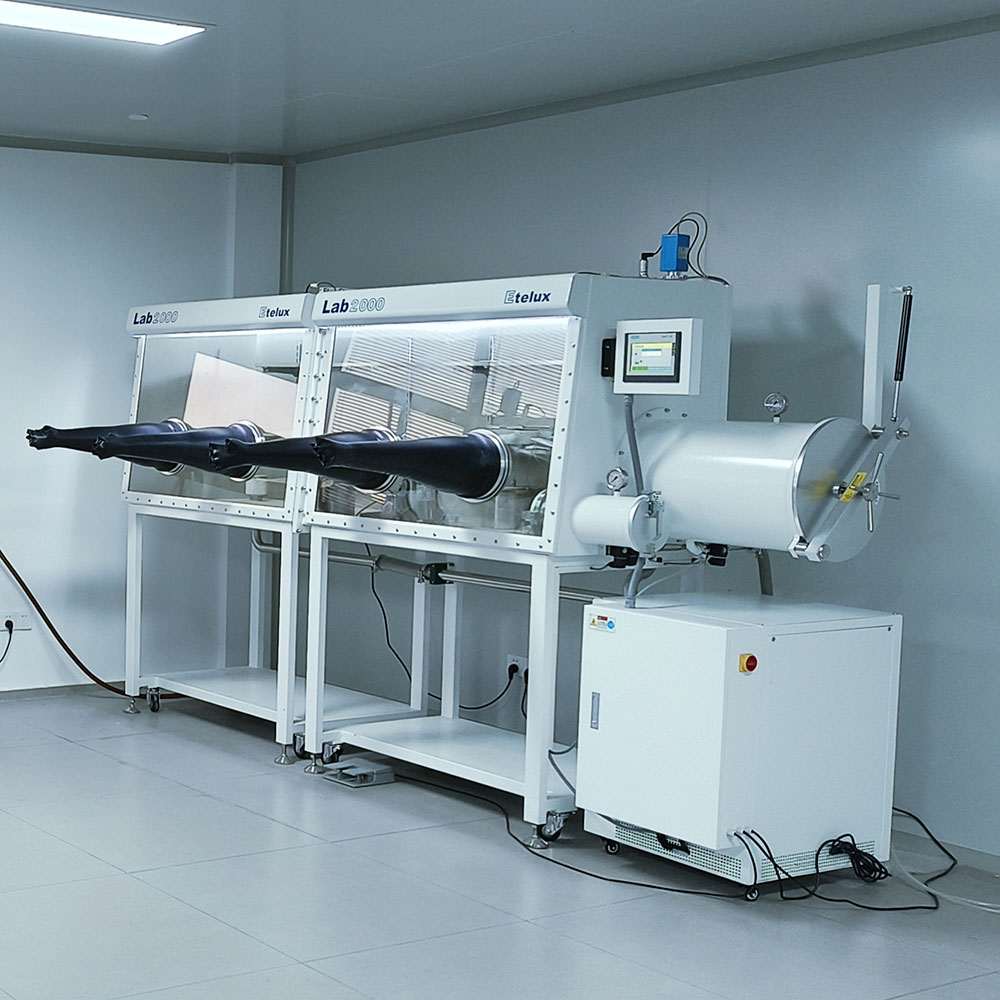
Glove boxes are critical equipment in pharmaceuticals, biotechnology, electronics manufacturing, nuclear industry, and other fields, used to provide a controlled environment when handling sensitive materials. For international B2B buyers from Africa, South America, the Middle East, Europe, and other regions, overseas procurement presents multiple challenges including language barriers, differing standards, and after-sales support concerns. A careless choice may result in equipment that is unsuitable or even non-compliant with local regulations. This article provides a practical checklist for overseas buyers covering product selection, technical parameters, pricing, and supplier evaluation.
Step One: Define Your Requirements——Choose the Type First, Then Configure
Glove boxes fall into two main categories. You must determine your core requirement before making a purchase.
Isolation vs Containment: Two Completely Different Directions
Isolation Glove Box is used to protect samples from external contamination. The chamber maintains positive pressure and is filled with inert gases such as nitrogen or argon to create an oxygen-free and moisture-free environment. It is suitable for handling lithium battery materials, perovskite solar cells, MOF, OLED, and other materials that are extremely sensitive to moisture and oxygen.
Containment Glove Box is used to protect operators from hazardous samples. The chamber maintains negative pressure to prevent leakage of harmful substances. It is suitable for handling radioactive materials, biohazardous substances, and highly toxic chemicals.
Key consideration: Ask yourself first——are you protecting the sample or the person? Choosing the wrong direction means the equipment will be useless.
Material Selection: Acrylic vs Stainless Steel
Acrylic PMMA offers good transparency, low cost, and intuitive operation, but has high gas permeability, limited sealing performance, and poor corrosion resistance. It is suitable for teaching demonstrations, general material isolation, and scenarios with low moisture and oxygen requirements.
Stainless Steel 304/316 offers corrosion resistance, high strength, excellent sealing, and can withstand pressure differentials, but comes at a higher cost and greater weight. It is suitable for applications requiring long-term maintenance of low moisture and low oxygen levels, vacuum operations, and handling corrosive materials.
Overseas procurement reminder: If your application involves moisture and oxygen control with requirements below 100ppm, stainless steel chamber is the basic requirement. Do not choose acrylic just to save money.
Step Two: Master the Core Parameters——Directly Impact Performance and Cost
1. Moisture and Oxygen Levels and Leak Rate
These are the most critical performance indicators of a glove box, directly determining whether samples will be oxidized or contaminated by moisture.
For R&D or high-purity material applications: moisture ≤0.1ppm, oxygen ≤0.1ppm.
For routine experiments or production applications: moisture ≤1ppm, oxygen ≤1ppm.
Leak rate: premium models ≤0.001vol%/h, standard stable models ≤0.05vol%/h.
Overseas procurement reminder: Ask the supplier clearly about their leak rate testing methods and actual measured values. Do not just look at marketing data. Some low-end products show significant performance degradation after six months of use.
2. Chamber Structure and Material
304 stainless steel is recommended, with thickness no less than 3mm, and inner surface brushed finish for corrosion resistance and easy cleaning.
The front window should use 8mm tempered safety glass with flange-mounted O-ring vacuum seal to ensure no air leakage over long-term use.
Welded construction provides better sealing than bolted assembly.
3. Workstations and Dimensions
Single workstation: approximately 900 to 1200mm in length, suitable for single-person operation and laboratories with limited space.
Dual workstation or more: approximately 1500 to 1800mm in length, suitable for multi-person collaboration or scenarios with multiple pieces of equipment inside the chamber.
Reminder: Larger workstations mean larger chamber volume, which increases gas consumption and the burden on purification columns. Choose what is sufficient for your needs——bigger is not always better.
4. Anteroom Size
This is the most common pitfall——buyers realize after receiving the glove box that their frequently used containers cannot fit through the anteroom. When selecting a model, be sure to factor in the maximum dimensions of your commonly used vessels.
5. Circulation Purification System
Single-column or dual-column purification, with regenerable materials to reduce operating costs.
Variable frequency circulation blower for stable airflow and lower noise.
Support for automatic regeneration, automatic gas replenishment, and pressure balancing to reduce manual oversight.
Step Three: Price and Operating Costs——Don’t Just Look at the Initial Purchase Price
Glove box prices vary significantly based on size, moisture and oxygen level specifications, purification configuration, material, and brand.
Common Cost Traps in Overseas Procurement
Comparing price only without checking leak rate: Low-priced products may cut corners on leak rate and moisture and oxygen stability, with accuracy declining after six months.
Ignoring anteroom size: Inefficient material transfer seriously impacts workflow.
Overlooking material thickness: Chamber deformation and sealing failure lead to higher repair costs.
Non-regenerable purification system: Consumable costs continue to accumulate, resulting in high long-term expenses.
Slow after-sales response: Equipment downtime disrupts experiments and delivery schedules. Overseas buyers must pay special attention to this.
Operating Cost Comparison
Vacuum glove box: Inert gas is consumed with each purge. High usage leads to significant gas expenses.
Purification glove box: Higher initial investment, but mainly electricity consumption for daily operation. Purification column regeneration cycles range from 1 to 3 years. This option proves more cost-effective in the long run.
Step Four: Supplier Evaluation——The Critical Step in Overseas Procurement
Supplier Qualification Checklist
Certifications and standards: Do products comply with ASTM, ISO, or other international standards? Are material certifications available?
Customization capability: Can the supplier customize dimensions, interfaces, and functions based on special requirements?
After-sales and spare parts: Are spare gloves and O-rings provided? Is there a local agent to support maintenance?
Shipping and packaging: Does the supplier have experience shipping large equipment? Can they ensure the equipment remains undamaged during sea freight?
Warranty policy: How long is the warranty period? Does it cover core components?
Recommended Supplier Communication Questions
Reference from Lab Manager magazine’s procurement advice:
First, what application will the glove box be used for? This helps determine specifications, such as whether an oxygen-free environment is required.
Second, are the cultivation and processing areas separated? This prevents cross-contamination, especially important for cell culture scenarios.
Third, what are the purchase and maintenance costs? Is warranty included? Customized models are the most expensive——first determine whether standard models can meet your needs.
Fourth, how should future expansion needs be considered? This determines whether to purchase a larger size.
Fifth, what safety features are available? This is especially important when handling hazardous materials.
Step Five: Safety and Maintenance——Long-Term Matters Easily Overlooked
Safety Inspection Checklist
Regularly inspect gloves for tears and pinhole leaks. Consider equipping with a glove leak detector.
Spare parts: Keep spare gloves and O-rings on hand to minimize downtime.
Pressure monitoring: Ensure chamber pressure remains within normal range. Positive or negative pressure depends on the application type.
Maintenance Reminders
Regularly inspect gloves and seal integrity.
Monitor the atmosphere control system operating status.
Clean both interior and exterior surfaces of the chamber.
Follow the manufacturer’s specific maintenance guidelines.
Summary: Core Points for Overseas Glove Box Procurement
| Step | Key Actions |
|---|---|
| Define Requirements | First determine whether you need isolation or containment type, then select material and configuration |
| Review Parameters | Focus on moisture and oxygen levels, leak rate, material thickness, and anteroom size |
| Calculate Costs | Initial purchase price plus long-term operating costs including gas consumption and purification column regeneration |
| Evaluate Suppliers | Certifications, customization capability, after-sales support, and shipping experience |
| Plan Maintenance | Spare parts inventory, regular inspections, and safety monitoring |
Final recommendation: Define your application requirements first, then determine configuration, and finally compare prices. Do not sacrifice leak rate, moisture and oxygen precision, or chamber thickness for a lower price——the maintenance and rework costs later will be higher. If you have questions about product selection, it is advisable to contact the manufacturer’s technical engineers directly for consultation.
Related Reading
Glovebox Purification Column Replacement Cycle & Operation Process
Standard Glovebox Configuration Solutions for Research and University Laboratories